
23.1 The ALCAN Highway
Overall, the IJA were said to have been extremely proud of their accomplishment in building the 415 Km Railway in about 16 months. Of course, this ignores the horrendous cost in human lives. While the above Section relates the story of a similar effort in Burma, there was an even more ambitious project in North America. Below, CHAT GPT outlines the enormity of the effort and the success using heavy equipment and far fewer workers to build a road seven times longer and in half the time!
The World War II Alaskan Highway, also known as the Alcan Highway (Alaska-Canada Highway), was a monumental military road project built during World War II to connect the contiguous United States to Alaska through Canada. Here’s a brief history:
🔹 Why It Was Built
After the Japanese attacked Pearl Harbor in December 1941 and later occupied parts of the Aleutian Islands, Alaska was seen as vulnerable. The U.S. needed a secure land supply route to defend the territory and support military operations in the North Pacific.
🔹 Construction
- Approved: February 1942, just months after Pearl Harbor.
- Construction began: March 8, 1942
- Completed: October 28, 1942 — in just over 7 months
- Built by over 10,000 U.S. Army engineers, many of them African American troops, working in harsh wilderness and extreme conditions.
- The highway stretched about 1,700 miles (2,700 km) from Dawson Creek, British Columbia to Delta Junction, Alaska, near Fairbanks.
Approximately 32 workers are officially recorded as having died during the construction of the Alaska Highway in 1942.
These deaths were caused by a range of factors including:
- Accidents involving heavy machinery
- Falls and drownings
- Exposure to extreme weather (cold, mud, insects, and disease in the remote wilderness)
- Logistical hazards in isolated, rugged terrain
However, because the project was completed under intense wartime urgency and involved thousands of personnel working in remote conditions, some unofficial estimates suggest the true number could be higher, potentially up to 100 or more, especially if you include related air transport and supply missions along the Northwest Staging Route.
https://www.pbs.org/wgbh/americanexperience/films/alaska
Similarities and differences:
In addition to the obvious difference in the use and misuse of heavy equipment and manpower, the ALCAN was also built in multiple segments with construction units working in two directions towards each other. One major milestone was that about 1/3 of the workforce were African-Americans, but the units were totally segregated with Black units often working with inferior equipment. It was, however, one black and one white bulldozer who met to join the last two portion together!
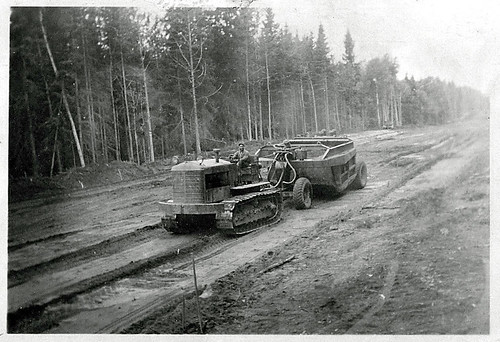
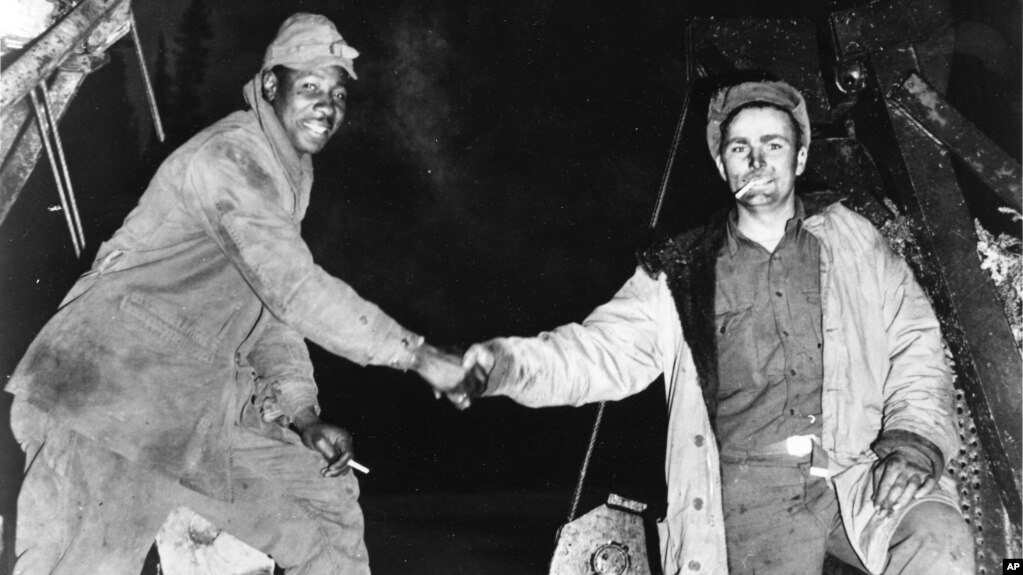
Unlike the TBR, the ALCAN Hgwy not only survived the war intact but was up-graded a number of times under various Canadian and American efforts and remains, today, a heavily used avenue of transportation.
==================
There was consideration of building a railway instead of a highway through Alaska and northwestern Canada, prior to and during the early stages of planning the Alaska Highway (ALCAN Highway)—but ultimately, the decision was made to build a road for strategic and logistical reasons during World War II.
Background Context:
Before World War II, there were already ideas circulating in Canada and the U.S. about linking Alaska to the continental U.S. by land. These ideas included both rail and road routes, primarily for commercial development and territorial integration.
Key Points of Consideration:
✅ Pros of a Railway Considered:
- Year-Round Operation: Railroads can operate in severe weather more reliably than early 1940s roads.
- Heavy Freight Capacity: A railway could move far greater quantities of supplies and troops than a rough road.
- Established Expertise: Both the U.S. and Canada had strong rail engineering sectors.
❌ Why a Highway Was Chosen Instead:
- Speed of Construction: A highway could be built far more quickly than a railroad—time was critical after Pearl Harbor (December 1941).
- Cost: A railroad through that terrain would have been exponentially more expensive and required more specialized equipment and workers.
- Flexibility: Roads allowed for more flexible and dispersed movement of military personnel and vehicles, including trucks and jeeps.
- Immediate Military Use: The U.S. Army Corps of Engineers could mobilize manpower to build a road quickly with existing equipment, without needing rail-building expertise or materials already in short supply due to war.
Strategic Military Decision:
After the Japanese attack on Pearl Harbor and concerns about Japanese incursions into the Aleutians, the U.S. prioritized rapid overland military access to Alaska. The Alaska Highway project was formally approved in early 1942 and began that spring.
Postwar Reflection:
After WWII, rail options were occasionally reconsidered, but none were ever built. The highway was gradually upgraded and remains a vital link today.