
Tamil Heritage Past and Future
It has been established beyond a reasonable doubt that those buried at Chedi Niranam are primarily Malay-Tamils. What steps would need to be taken for Malaysia to assume responsibility for that monument and develop it as the only known site of Malay-Tamil presence in Thailand as relates to the Thai-Burma Railway (TBR)?
Between 1987 and 1998, Australia took increasing interest in adopting the HellFire Pass as a memorial to the Australian POWs of the TBR. In one way, it is a bit ironic that of those who worked the TBR, the Australians were seemingly the minority. We do not have an accurate accounting of just who worked that cutting. Initially, D Force from Singapore were the primary workforce. Official records suggest that British POWs slightly outnumbered the AUS members. Again, we have no real numbers but it seems as though D Force was greatly outnumbered by the romusha. Later, as progress lagged, other POWs were moved from the nearby Hintok area to supplement the Kanyo workforce.
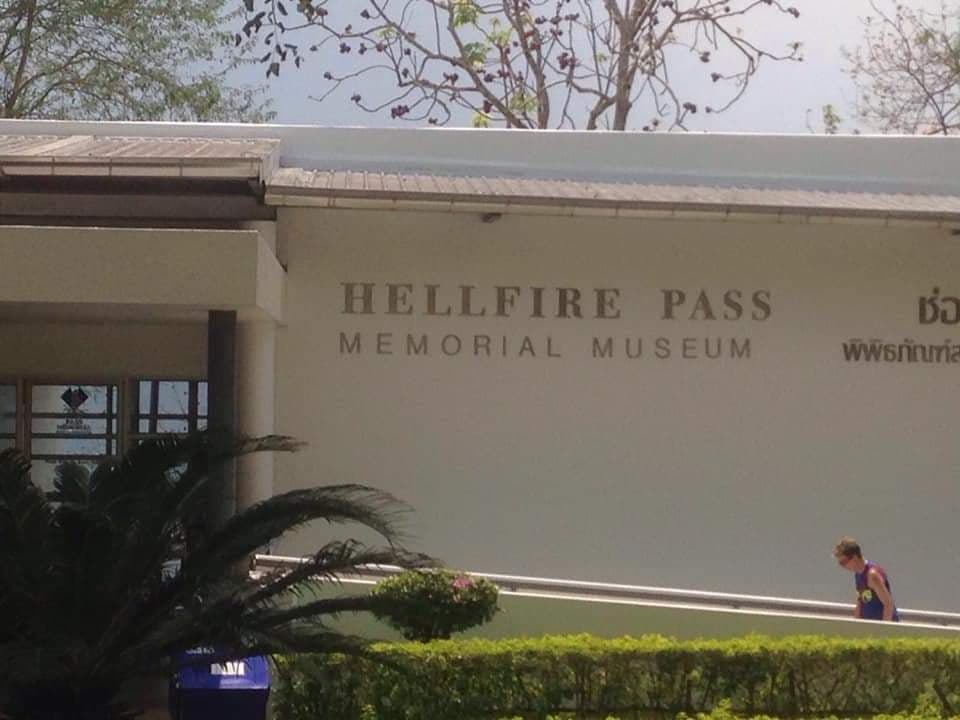
All in, it is quite possible that the AUS contingent were outnumbered by both the British and romusha workers[1]. None the less, the Australian’s exerted influence on the Thai government and in 1998 assumed responsibility for the environs of the Pass. There is nothing inherently wrong with that request.
This action harkens back to the official Thai stance that this entire project was an action (atrocity?) imposed by one country (Japan) on others (the Allies) and is not directly a part of Thai history. IOW, they had nothing at stake in allowing Australia to assume de facto control of the Kanyo area.
This was akin to them seceding land to the London-based Common-wealth War Graves Commission to oversee the cemeteries where Allied war dead are buried.
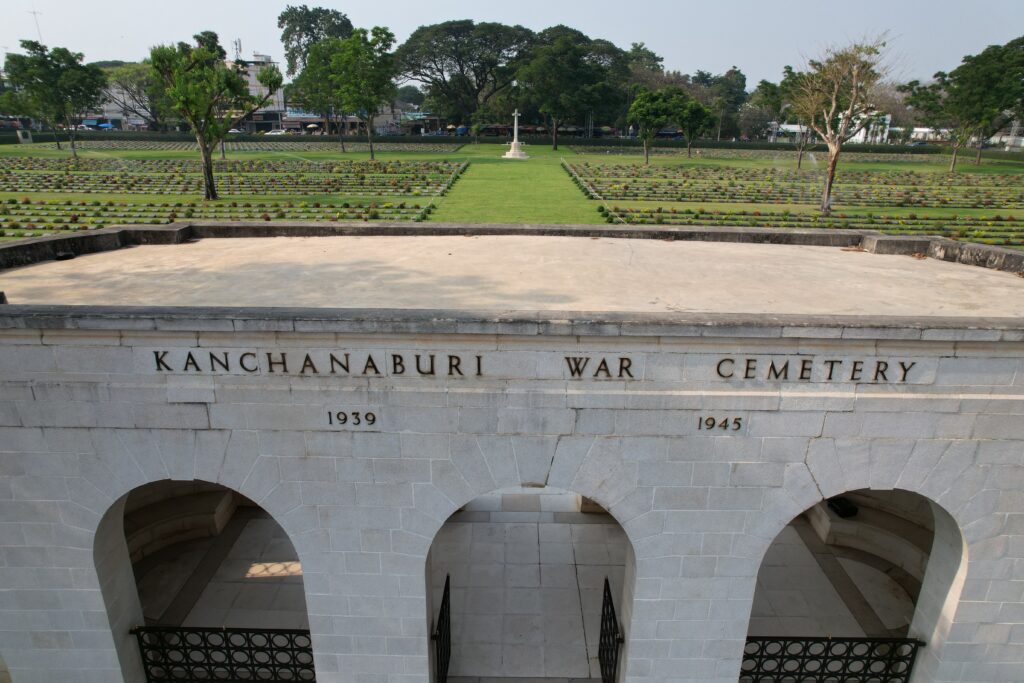
While it was well known that the romusha far outnumbered the Allied POWs who worked the TBR, it was those POWs who drew all the attention to themselves via news reports of repatriation and later the dozens of memoires. Being largely illiterate, the saga of the romusha was largely untold.
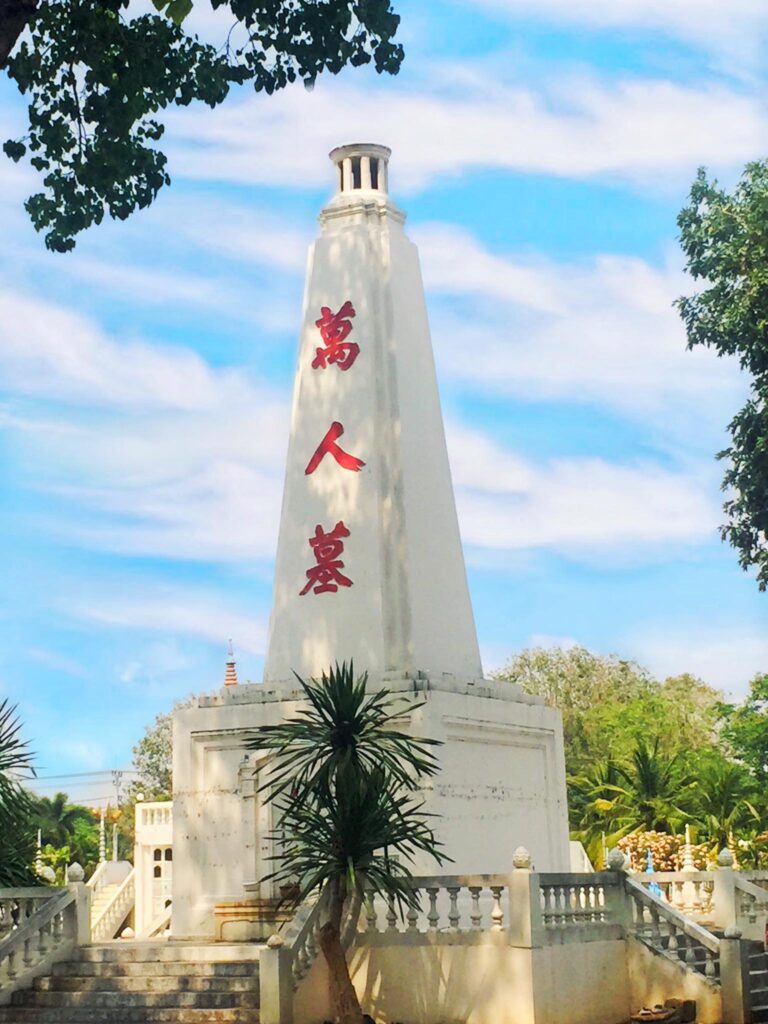
Recently, it has been well established that the Chedi Niranam at Wat Thaworn Wararam is indeed the burial place of thousands of romusha who survived the building of the Railway but died in Kanchanaburi in the ensuing years.
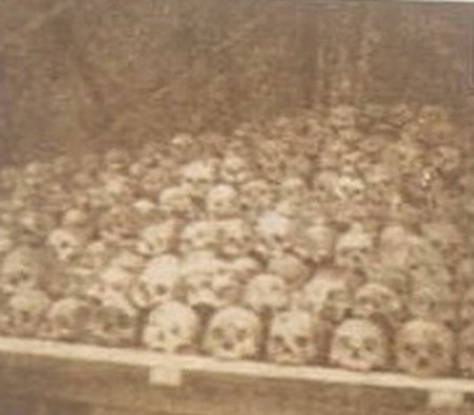
Might it be possible for the Malaysian government to enter into an agreement with the Thai government to assume de facto control of Chedi Niranam in much the same way as the Australians oversee HellFire Pass. The goal would be to ensure that the memory and history of the romusha as a whole and particularly the Malay-Tamils is preserved for future generations. It would place the chedi in the hands of an entity that has a vested interest in preserving that history.
It is unfortunate to say but the current owners of Chedi Niranam have repeatedly neglected this monument and have expressed little or no interest in determining its history or significance.
Might an overture be made for Malaysia to assume control of this chedi and the tiny parcel of land that it occupies as a means of preserving romusha and particularly Malay-Tamil involvement in the building of the Thai-Burma Railway?
[1] There is little to no evidence that Dutch or American POWs worked HellFire Pass.